
Why Cross-Generational Gaming Is Becoming More Popular

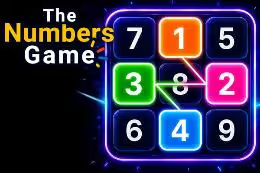
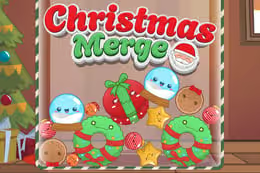
Cross generation gaming is becoming popular because games have finally stopped acting like they belong to one age group. For years, gaming was treated like a young person’s hobby, usually with loud music, fast buttons, and someone shouting into a headset. Now the picture is softer and much more interesting. Grandparents are playing puzzle games, word games, card games, cozy mobile titles, and games for grandma with the same casual confidence they use to forward family photos.
The nice part is that grandchildren are joining in too. Not always because the game is advanced or impressive, but because it gives both sides something easy to share. A simple game can do what a formal conversation sometimes cannot. It gives people a reason to sit together, laugh, explain, compete, and stay in the same little moment.
Simple games make the bridge easier
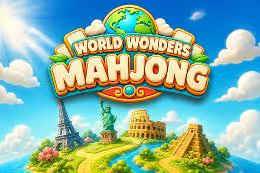
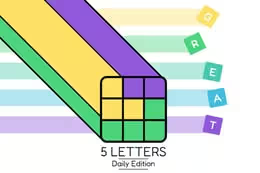
A game does not need to be huge to bring two generations together. In fact, the smaller games often work better. Matching tiles, solving puzzles, guessing words, finding hidden objects, decorating rooms, or playing simple sports games can be understood quickly without turning the grandchild into a full-time tech assistant.
That quick understanding matters. Grandparents may not want twenty buttons and a tutorial that feels like learning airport security rules. Grandchildren may not want something so slow that it feels like digital dust. The sweet spot is a game with simple controls but enough challenge to keep both people awake and interested.
It changes the usual family roles
One of the best things about grandparents gaming with grandchildren is how it flips the room around. The child might be better with the device, but the grandparent might be sharper at memory, words, patience, or spotting patterns. Suddenly the person who usually asks how to open an app is beating everyone at a puzzle level and acting completely innocent about it.
That role switch is healthy. It lets older adults feel capable in a digital space, and it teaches younger players that skill is not only about speed. Sometimes the slow, careful player wins because they actually looked at the board instead of attacking it like a raccoon with Wi-Fi.
Distance feels less awkward
Families are more spread out now. Different cities, different countries, strange schedules, school pressure, work pressure, and everyone pretending they are not tired. Video calls are great, but they can get awkward when nobody knows what to say after the usual updates. A shared game fixes that by giving the conversation a small engine. A grandchild can send a score. A grandparent can ask for help with a level. They can compare progress, laugh at mistakes, or turn a daily puzzle into a tiny routine.
Older adults are already digital
Another reason this trend is growing is that older adults are much more comfortable with phones and tablets than people assume. They already use them for messages, shopping, videos, photos, recipes, banking, and family groups that somehow never sleep. Games fit naturally into that same device. Once the first barrier is gone, the rest becomes easier. A grandparent does not have to “become a gamer” in some serious way.
The best games feel welcoming
Cross generation gaming works when games respect different speeds, eyesight, patience levels, and comfort zones. Clear buttons, readable text, calm pacing, and friendly goals matter more than flashy effects. Nobody wants to feel confused, rushed, or treated like they are too old to understand fun. That is why grandma games, cozy games, puzzles, and casual multiplayer titles fit so well into family life. They create a shared space without forcing anyone to perform.